
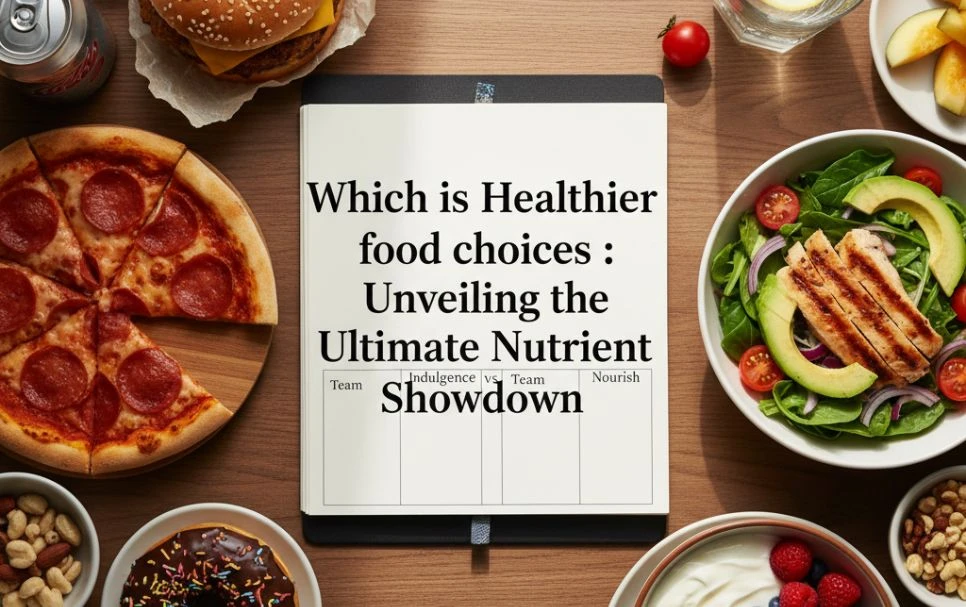
Which is Healthier food choices? This simple question can change the way you eat, move, and feel every day.
You’re faced with countless choices from what to put on your plate to how to spend your time. But how do you know what’s truly better for your body and mind? You’ll discover clear, easy answers that cut through the noise.
By the end, you’ll feel confident making decisions that boost your health and energy. Ready to find out which is healthier for you? Let’s dive in.
Nutrient Basics
Understanding the basics of nutrients helps you choose healthier foods. Nutrients are substances in food that your body needs to work well. They give energy, support growth, and keep your body strong.
Knowing the main types of nutrients makes it easier to compare foods. This section breaks down the key nutrients and their roles.
Macronutrients Explained
Macronutrients include carbohydrates, proteins, and fats. Your body needs these in large amounts. Carbohydrates provide quick energy. Proteins build and repair muscles. Fats help store energy and protect organs.
Each macronutrient has a different job. Balancing them keeps your body healthy and active.
Essential Micronutrients
Micronutrients are vitamins and minerals. Your body needs them in small amounts. They support the immune system and help cells work.
Common vitamins include A, C, and D. Important minerals are calcium, iron, and potassium. A lack of these can cause health problems.
Role Of Fiber And Water
Fiber helps digestion and keeps you full longer. It is found in fruits, vegetables, and whole grains. Eating enough fiber lowers the risk of many diseases.
Water is vital for all body functions. It helps regulate temperature and remove waste. Drinking enough water improves energy and focus.
Comparing Common Foods
Choosing healthy foods can be tricky with so many options. Comparing common foods helps you make better choices for your body. This section looks at fruits, vegetables, grains, and proteins. Each group offers unique benefits. Understanding these can guide your diet.
Fruits Vs Vegetables
Fruits and vegetables both provide vitamins and fiber. Fruits often have natural sugars, giving quick energy. Vegetables usually have fewer calories and more minerals. Leafy greens are rich in iron and calcium. Fruits like berries are high in antioxidants. Eating both ensures a wide range of nutrients.
Whole Grains Vs Refined Grains
Whole grains keep all parts of the grain, including fiber. This fiber helps digestion and controls blood sugar. Refined grains lose fiber and some nutrients during processing. Whole wheat bread and brown rice are healthy choices. White bread and white rice have fewer nutrients. Whole grains support heart health and weight control.
Plant-based Vs Animal Proteins
Plant proteins come from beans, nuts, and seeds. They have fiber and healthy fats. Animal proteins include meat, eggs, and dairy. They provide complete proteins with all essential amino acids. Plant proteins may lower cholesterol and heart risks. Animal proteins support muscle growth and repair. Balancing both types offers the best nutrition.
Impact On Health
The impact on health is a key factor in choosing between options. What you eat affects your body in many ways. Small changes can lead to better health over time. Understanding these effects helps make smarter food choices.
Heart Healthier food choices And Nutrition
Some foods help keep the heart strong. They lower bad cholesterol and reduce blood pressure. Foods rich in healthy fats, like nuts and fish, are good for the heart. Processed foods with high salt or sugar can harm heart health. Balanced nutrition supports a healthy heart and blood flow Healthier food choices.
Weight Management Effects
Food affects body weight and energy levels. High-fiber foods keep you full longer, reducing overeating. Sugary snacks add empty calories and cause weight gain. Protein helps build muscle and boosts metabolism. Choosing the right foods aids in maintaining a healthy weight.
Immune System Support
The immune system fights off germs and illness. Certain vitamins and minerals strengthen this defense. Vitamin C and zinc are important for immune health. Fresh fruits, vegetables, and lean proteins provide these nutrients. Eating well supports the body’s ability to stay healthy.
Nutrient Density And Caloric Value
Nutrient density and caloric value are key factors in choosing healthier foods. Nutrient density shows how many vitamins and minerals a food has compared to its calories. Foods with high nutrient density give your body more nutrition with fewer calories. Caloric value tells you the energy a food provides. Balancing both helps maintain good health and weight.
Measuring Nutrient Density
Nutrient density measures the amount of nutrients per calorie. Foods rich in vitamins, minerals, and fiber are highly nutrient-dense. Vegetables, fruits, lean meats, and whole grains often top the list. Low nutrient density foods have lots of calories but few nutrients. Examples include sugary drinks and processed snacks.
Calorie Quality Vs Quantity
Not all calories are equal. Calories from whole foods provide energy and nutrients. Calories from junk food supply energy but lack nutrients. Eating high-quality calories supports body functions better. Eating too many low-quality calories can lead to weight gain and health issues.
Balancing Nutrients And Calories
Balance means getting enough nutrients without eating too many calories. Focus on foods with high nutrient density and moderate calories. Combining proteins, fats, and carbs helps the body use calories well. This approach supports energy, growth, and overall health.
Dietary Patterns And Longevity
Dietary patterns play a key role in how long people live and how healthy they stay. Different diets affect the body in various ways. Some diets help reduce the risk of chronic diseases. Others provide essential nutrients that support overall health. Understanding which dietary patterns promote longevity can guide better food choices.
Mediterranean Diet Benefits
The Mediterranean diet includes fruits, vegetables, whole grains, and healthy fats. Olive oil is a main source of fat. This diet lowers the risk of heart disease and stroke. People who follow it often have better brain health. It also supports weight management and reduces inflammation.
Plant-forward Diets
Plant-forward diets focus on eating mostly plants, such as vegetables, fruits, nuts, and legumes. These diets provide high fiber and antioxidants. They help lower blood pressure and cholesterol levels. Plant-based eating is linked to lower risks of diabetes and cancer. It also supports a healthy gut and strong immunity.
Low-carb And High-protein Diets
Low-carb diets reduce intake of bread, pasta, and sugar. High-protein diets emphasize meat, fish, eggs, and dairy. These diets can help with weight loss and blood sugar control. Some studies show benefits for heart health. Still, balance and variety remain important for long-term health.
Practical Tips For Nutrient Choices
Choosing the right nutrients can improve health and energy. Small changes in diet make a big difference. Practical tips help pick foods that support well-being. Focus on simple steps that fit daily life.
Reading Nutrition Labels
Nutrition labels show important information about food. Check serving size first. Look at calories, fat, sugar, and protein amounts. Choose foods with less added sugar and unhealthy fats. Fiber content is important for digestion. Compare similar products to find healthier options.
Meal Planning For Balance
Plan meals to include different nutrients. Combine protein, carbs, and healthy fats in each meal. Use vegetables and fruits to add vitamins and minerals. Preparing meals at home helps control ingredients. Balanced meals keep energy steady and hunger away.
Incorporating Variety
Eating different foods provides a range of nutrients. Try new fruits, vegetables, and whole grains regularly. Different colors on your plate mean different vitamins. Rotate protein sources like beans, fish, and lean meat. Variety supports a healthy gut and body.
Credit: www.parashospitals.com
Frequently Asked Questions
Which Food Is Healthier: Fruits Or Vegetables?
Both fruits and vegetables are healthy and rich in vitamins. Vegetables typically have fewer sugars and calories. Fruits provide natural sweetness and antioxidants. Including both in your diet ensures balanced nutrition and overall health benefits.
Is Whole Grain Bread Healthier Than White Bread?
Whole grain bread is healthier because it contains more fiber and nutrients. White bread is often made with refined flour, which lacks fiber. Choosing whole grain supports better digestion and helps maintain stable blood sugar levels.
Are Plant-based Proteins Healthier Than Animal Proteins?
Plant-based proteins are generally healthier due to lower saturated fat and cholesterol. They also provide fiber and antioxidants. Animal proteins contain all essential amino acids but may increase heart disease risk if consumed excessively.
Which Is Healthier: Olive Oil Or Butter?
Olive oil is healthier because it contains heart-friendly monounsaturated fats. Butter has higher saturated fat, which may raise cholesterol. Using olive oil supports cardiovascular health and reduces inflammation compared to butter.
Conclusion
Choosing the healthier option depends on your personal needs and goals. Both choices have benefits and some drawbacks. Think about what fits your lifestyle best. Balance and moderation matter most in any diet. Small changes can lead to big health improvements.
Stay mindful of what you eat every day. Your body will thank you for good habits. Keep learning and making smart food choices. Health is a journey, not a quick fix. Our all updete get to visit our website: skywirebox







1 thought on “Which is Healthier food choices : Unveiling the Ultimate Nutrient Showdown”